
SOUL Newspaper Issue #30: Power, Polish, and the Politics of Sound
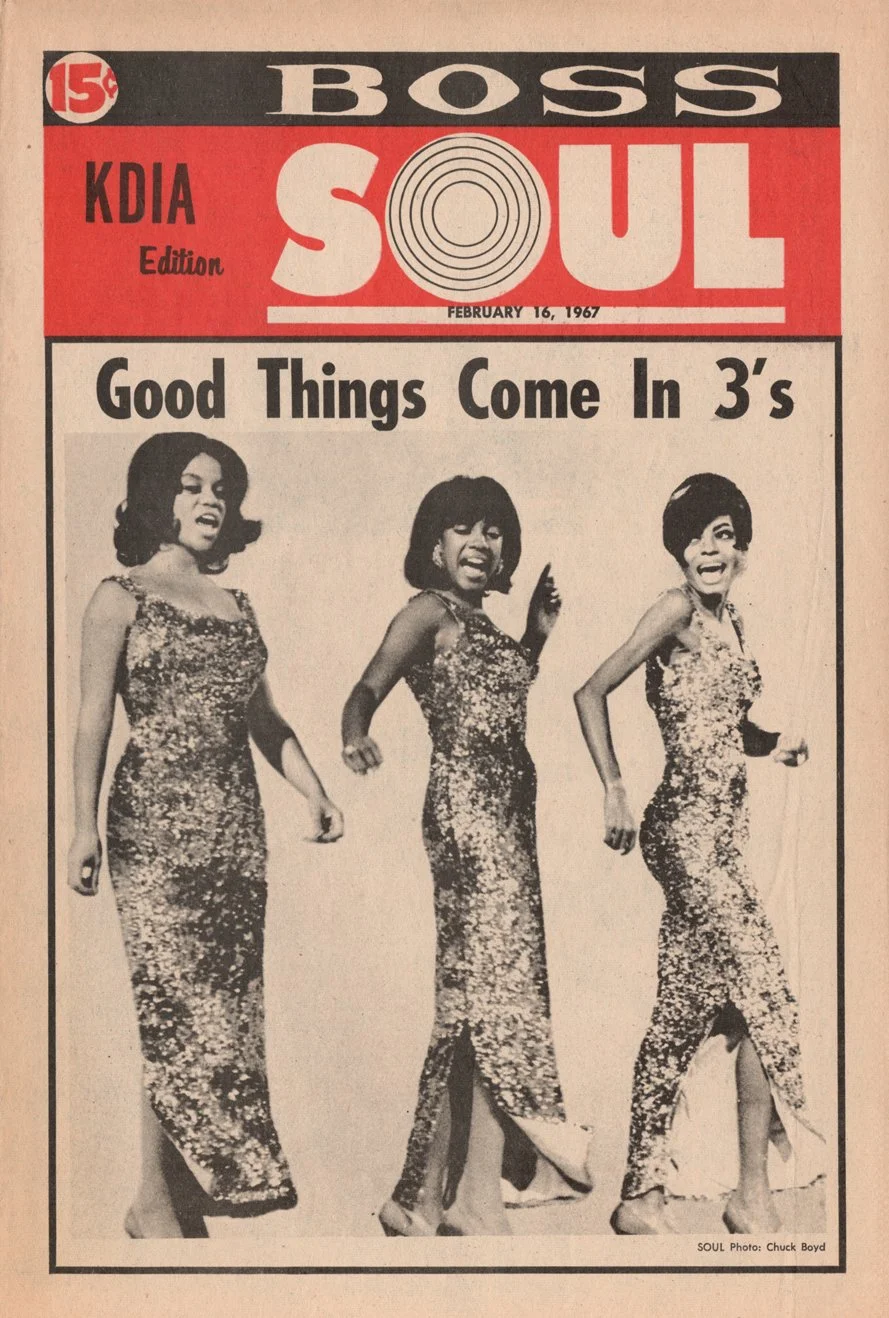
This week we archived Issue #30 of SOUL Newspaper featuring The Supremes.
It feels alive the moment you open it. The cover promises harmony in threes, but what unfolds inside is bigger than a girl group headline. This issue reads like a city in motion. Politics, pop stardom, jazz philosophy, radio charts, record store coupons, club gossip. Nothing just sits still.
The Supremes
The Supremes anchor the edition, and the tone around them is assured. A clear acknowledgment that Diana, Mary, and Florence are operating at peak altitude. They are topping polls over The Beatles, premiering new singles on national television, stacking awards without apology. The writing treats their dominance as earned, not surprising. That composure feels modern. It echoes the way publications now cover Beyoncé or SZA, not as crossover novelties but as architects of the sound.
The Godfather of SOUL
James Brown arrives in full force. On stage he stretches songs into ritual, collapsing, crawling, refusing to leave. Offstage he accepts an invitation from Vice President Hubert Humphrey to chair a national “Stay in School” campaign. The article doesn’t overstate it, but the implication is clear. Brown is more than kinetic energy. He is direct influence. That duality has become standard for major artists today. Kendrick Lamar curates the Super Bowl and delivers coded social commentary. Megan Thee Stallion funds education initiatives while headlining festivals. Brown’s blueprint is visible in all of it.
President Reagan and UC President Clark Kerr
Lets go back to the first page. The issue opens with politics before it settles into performance. An editorial pushes back against Governor Reagan’s role in the dismissal of University of California president Clark Kerr. The argument defends intellectual freedom and student dissent. It is bracing to see that conversation alongside record reviews and tour dates. The separation between culture and civic life never existed here. In present day 2026, with debates over academic speech and curriculum bans still raging, the piece feels less like a time capsule and more like a reminder.
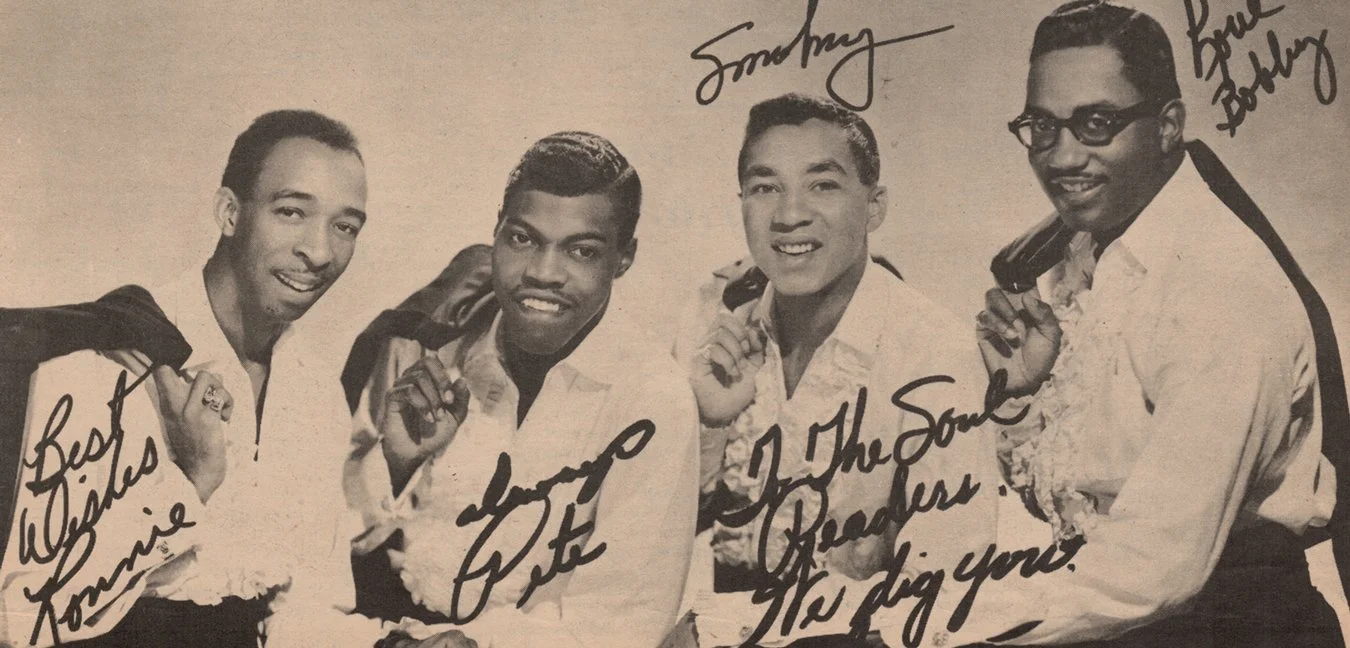
Smokey Robinson and The Miracles
Smokey Robinson’s extended feature drifts into something almost meditative. He talks about soul not as racial myth but as inward self. The language is gentle but firm. He emphasizes obligation to the audience, sincerity over spectacle. There is an elegance in the way he describes performance. In an era when virality can precede craft, Smokey’s focus on discipline and responsibility lands differently. He sounds like an artist thinking beyond the chart cycle.
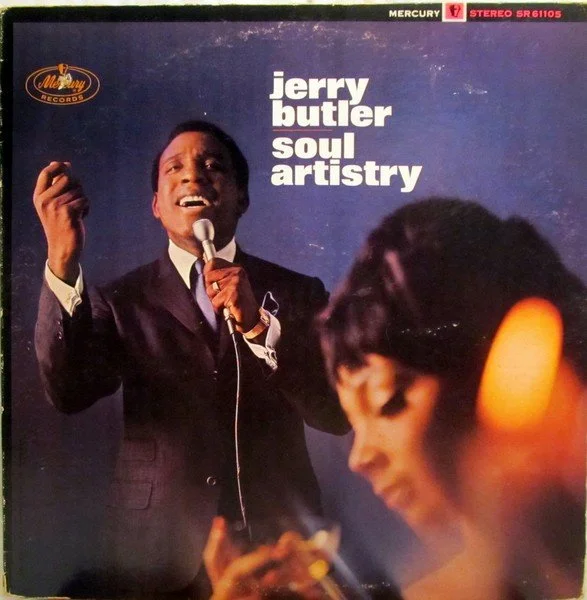
Jerry Butler
Jerry Butler sharpens the edge. His interview cuts straight into the politics of labeling. If Frank Sinatra records a song, it becomes “good music.” If Percy Sledge records it, it becomes “rhythm and blues.” Butler understands that these distinctions are rarely about melody. They are about access and cultural permission. The term “urban” may not yet exist in this issue, but the mechanics are already visible. Butler also calls out radio gatekeepers who shape airplay from behind desks. Replace radio program directors with streaming playlist editors and the friction remains familiar.
There are also articles on Marvin Gaye, Cannonball Adderly and Jazz, Jimmy Castor, Felice Taylor, Leon Haywood, news from Detroit’s scene, Album Reviews an interview with new Miss SOUL for that issue, a page of vintage ads and top hit lists and more. Being and older issue its 12 pages but packed to the brim with information. Reading Issue #30 now, what stands out is the confidence. The writing assumes that this music matters. That these artists are shaping culture, not chasing it. The politics, the glamour, the philosophy, the commerce. All of it coexists. It feels in progress.
Read the issue in its entirety in our Member’s Section
This is part of our ongoing archival project to digitally preserve and make available every single issue of SOUL Newspaper and SOUL Illustrated. (About 400 total issues). Your support helps that happen.
More Articles:


In February 1967, SOUL is not reporting culture from the sidelines. It is documenting power on stage, on radio, and in politics. The music is expanding, and so is its influence.